
A Quick Guide to Choosing the Right Safety Toe—Avoid Common Pitfalls
In industrial production, construction, and many other high-risk fields, a reliable pair of safety shoes is your first line of defense against foot injuries. At the heart of this protection lies the safety toe—a critical component that deserves careful consideration. Today, our company breaks down the most common types of safety toes to help you make an informed choice and steer clear of buying mistakes.
Iron Toe
Once a widely used option, iron toes were favored for their perceived hardness and durability. However, they are notably heavy, which can lead to fatigue during long shifts, and their overall protective performance is considered average by today’s standards.
Plastic Toe
Made from modified PC material, plastic toes are lightweight and offer solid impact resistance, anti-static properties, and thermal insulation. While they often pass individual material tests, their performance in full shoe testing can sometimes be inconsistent due to various influencing factors.
Steel Toe
Known for high strength and excellent impact resistance, steel toes remain the top choice for most industrial environments. They effectively guard against heavy falling objects and sharp punctures, delivering reliable and robust foot protection.
Fiberglass/Composite Toe
Also referred to as a composite fiber toe, this type is made from high-performance inorganic non-metallic materials. It combines lightness with toughness, offering solid impact protection, insulation, heat resistance, corrosion resistance, and long-term durability. With strong protective performance and all-day comfort, it ensures lasting safety for your toes.
Aluminum Toe
Blending the lightweight and tough qualities of aluminum, this toe cap provides protection comparable to steel but at a much lighter weight. Although priced slightly higher, its excellent protective performance makes it a preferred option for those seeking premium safety and comfort.
Nano Toe
Manufactured using nanotechnology, nano toes deliver outstanding impact resistance and ultra-lightweight characteristics. Currently, such products are less common on the market and tend to come with a higher price tag.
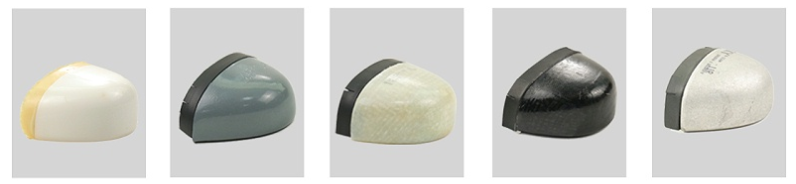
Choosing the Right Safety Toe Material
The above covers the most common types of safety toes available. Each has its own strengths and limitations, so it’s important to select based on your actual work environment and needs. Though safety shoes may seem like a small detail, they play a vital role in your personal safety. When purchasing, stay alert and don’t let danger catch you off guard.
We hope this guide helps you step forward with confidence. If you have further questions or need personalized advice, feel free to reach out—our team is here to help!
 Insider Insights: Do You Truly Understand the Safety Footwear for Logistics Professionals?
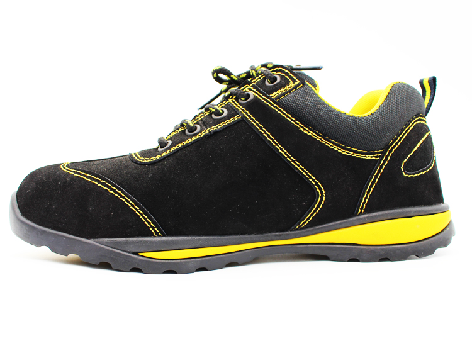 A Quick Guide to Choosing the Right Safety Toe—Avoid Common Pitfalls
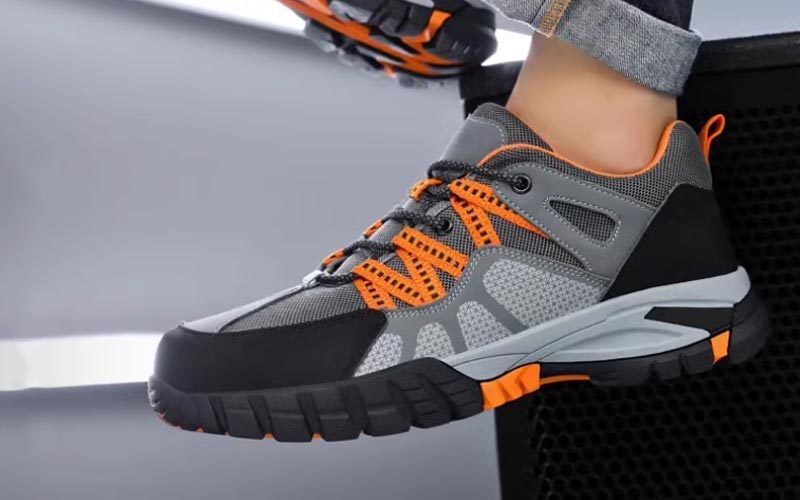 Hear It from the Manufacturer: Do You Truly Grasp the Importance of Safety Shoes for Logistics Profe
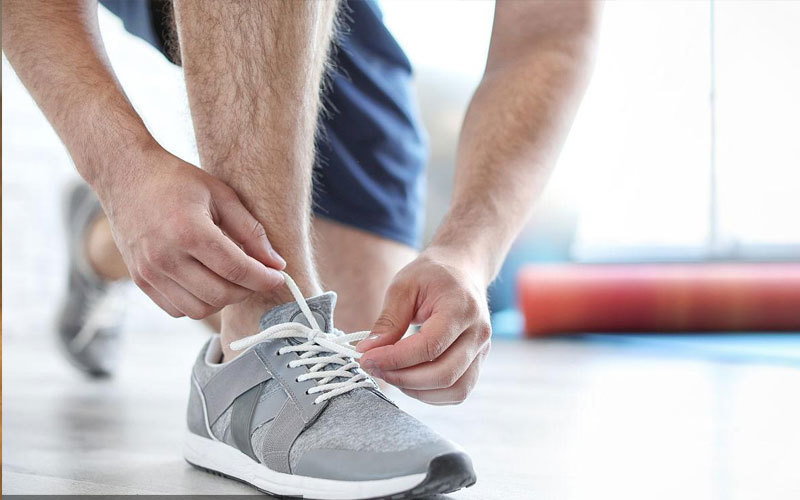 Are Safety Shoes Really Heavy? Let’s Find Out!